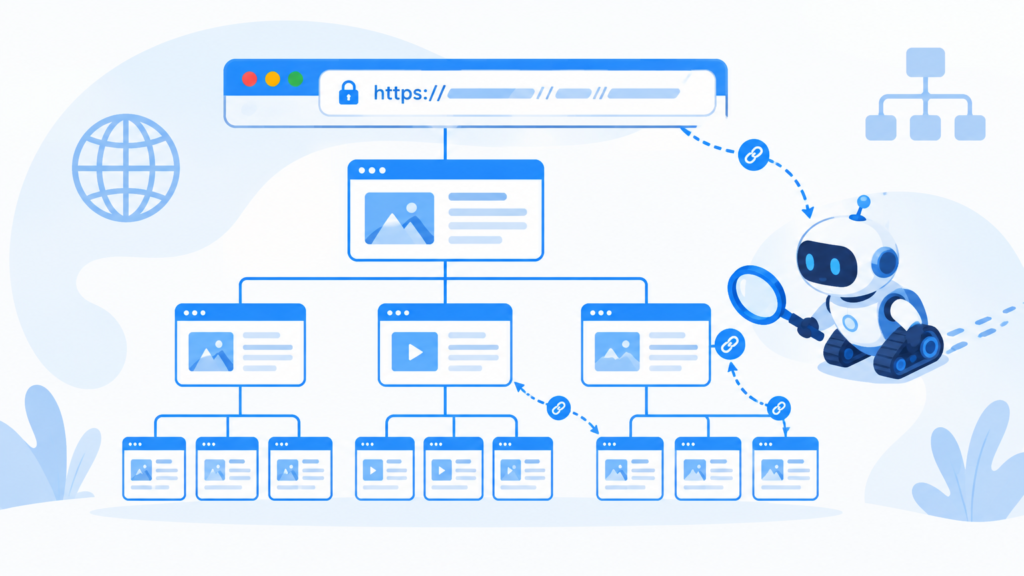
A website’s URL structure can affect how easily search engines find, crawl, and understand its pages. Clear and organised URLs help search engines understand page topics and the website’s layout. Duplicate URLs, extra details, and unclear links can make it harder for search engines to find and index pages. A well-planned URL structure makes it easier for search engines to discover and manage website pages.
Innosoft Works helps businesses enhance their website structure. Their technical SEO services make pages more accessible and easier to manage. A well-organised website also helps visitors find useful information without confusion. The right technical changes can help search engines find pages easily and make the website better for visitors.
Understanding the Parts of a Website URL
A URL contains different parts that work together to show the location of a webpage and help users understand what it contains.
What Makes Up a URL?
A URL is the address of a webpage on the internet. It contains different parts that help browsers and search engines locate the correct page. These include the protocol, domain name, and path. Each part has a separate role in showing where a page belongs.
How URL Slugs Identify Pages
A URL slug is the part of a web address that comes after the domain name. It usually describes the page in a few clear words. For example, a slug like seo-services tells visitors that the page is about SEO services. Simple and relevant slugs make web addresses easier to understand.
How URL Parts Support SEO
Clear URL names help search engines understand the subject and location of a webpage. They also make it easier for people to recognise a page before opening it. Using a consistent format across the website keeps its addresses organised and easier to manage.
How URL Structure Guides Search Engine Crawling
The way website addresses are organised can affect how search engines move from one page to another. Clear paths and useful links help search bots find important content. Unclear URLs can make some pages difficult to find.
How Search Engines Discover Website Pages
Search engines find pages by following links from one webpage to another. They also use XML sitemaps to learn about important URLs. When a website has clear links and an organised structure, search bots can discover its pages more easily. Pages without internal links can be harder for search engines to find.
Clean URLs vs Messy URLs
A well-structured URL follows a clear pattern, making it easier to recognise the type of page it leads to. Long URLs with unclear codes or extra characters can be hard to understand. Keeping web addresses simple also makes them easier to share, remember, and maintain.
When URL Parameters Create Crawling Issues
URL parameters are extra details added to a web address, often after a question mark. Websites may use them for filters, sorting, or tracking. However, too many URL variations can lead search engines to find several versions of similar content. This can waste crawling time and make it harder to find the main page.
How Internal Links Help Search Engines Find Pages
Internal links connect different pages within the same website. They guide search engines towards useful content and show how different topics are related. Linking key pages from relevant sections helps search bots find pages they might miss.
How URL Structure Affects Search Engine Indexing
Search engines do not add every discovered page to their index. They first check the page content and decide whether it should appear in search results. A clear URL structure helps users see how pages relate to the website. It also helps them find the right versions for indexing.
How Descriptive URLs Explain Page Content
A descriptive URL gives search engines an idea of what a page covers. When its words match the page topic, they provide useful context about the content. This also helps visitors know what they may find before opening the page.
How Website Folders Show Page Relationships
Website folders group related pages under suitable categories. E-commerce URL optimization means organising product pages into clear categories. This helps both visitors and search engines know where each item fits. This arrangement creates a clear content hierarchy and makes products easier to find.
Why Duplicate URLs Cause Indexing Problems
Sometimes, the same content can be reached through more than one URL. Search engines may see these as different pages and struggle to choose which one to show in search results. Canonical tags help identify the preferred URL and reduce confusion.
What Happens When You Change a Page URL?
Changing a URL can affect how search engines find an existing page. SEO site migration services can help during a website move. They manage URL changes, set up redirects, and stop visitors from hitting broken pages. A 301 redirect sends users and search bots to the new address.
Best Practices for Creating SEO-Friendly URLs
The best URL structure for small business websites should be simple, clear, and easy to manage. Each address should describe its page without unnecessary details. Follow these simple practices when creating website URLs:
- Keep URLs short: Use only the words needed to explain the page.
- Choose clear words: Make sure the URL matches the page topic.
- Use hyphens: Separate words with hyphens instead of spaces or underscores.
- Use lowercase letters: Follow one consistent format across the website.
- Avoid extra details: Remove unnecessary numbers, symbols, and parameters.
- Create useful slugs: Choose words that explain the page content.
- Keep URLs consistent: Use a similar format for pages in the same category.
Building a Clear Website Structure
A clear website structure makes it easier for visitors and search engines to understand how different pages fit together. Each section should have a clear purpose, with related information placed in the right location. These steps can help create a better organised website.
Organise Pages into Clear Categories
Group pages according to their topics and purpose. For example, place service pages under suitable service sections and keep blog posts in a separate area. This gives the website a logical layout and makes information easier to find.
Keep Important Pages Within Easy Reach
Make sure visitors can reach key pages without going through too many steps. Put key sections in the main navigation menu. Keep important information easy to find on your website. This helps visitors move around without confusion.
Connect Related Pages Naturally
Add links between pages that cover related subjects. For example, a blog post about technical SEO can connect to a relevant service page. These links help visitors find useful information. They also give search engines more ways to discover website content.
Find and Fix Orphan Pages
Orphan pages are webpages that have no internal links pointing to them. Search engines may find these pages through a sitemap, but visitors may have trouble finding them.Add relevant internal links from suitable pages so they become part of the website structure.
Fixing Common URL Problems
URL issues can make it harder for search engines to manage website pages and for visitors to reach the right content. Professional technical SEO audit services in the USA can find problems, analyse website URLs, and show where to improve. Fixing these issues early helps keep the website organised.
Finding and Removing Duplicate URLs
Check whether the same page is available under different web addresses. Choose one preferred version and use canonical tags to point search engines towards it. This helps avoid confusion about which page should appear in search results.
Managing Unnecessary URL Parameters
Review URL parameters used for filters, tracking, and sorting. Remove those that are not needed and avoid creating too many versions of the same page. Keep useful parameters where the website needs them to work properly.
Fixing Broken Links and Redirect Chains
Broken links lead visitors to pages that no longer exist or cannot be opened. Redirect chains lead users and search engines through multiple addresses before they reach the final page. Update broken links and send old URLs directly to the correct destination.
Using 301 Redirects for Old URLs
When a page moves to a new address permanently, use a 301 redirect from the old URL to the new one. This helps visitors reach the correct page and tells search engines that the move is permanent.
Keeping XML Sitemaps and Canonical Tags Updated
Add important, indexable URLs to your XML sitemap and remove outdated or redirected addresses. Make sure canonical tags point to the preferred page version. These steps help search engines understand which URLs should be considered for indexing.
FAQs
1. Does URL Structure Really Matter for SEO?
Yes, URL structure matters because it helps search engines understand how website pages are arranged. Clear addresses also make it easier for visitors to recognise the purpose of a page.
2. Can Bad URLs Affect Google Indexing?
Yes, unclear URLs can cause problems when search engines find different versions of the same page. This can make it harder for search engines to choose the right page to show in search results.
3. Are Short URLs Better for Search Engines?
Short URLs are often easier to read and manage, but length alone does not decide search rankings. A useful URL should clearly describe the page without adding unnecessary words.
4. Should I Change My URLs After Publishing a Page?
Only change a published URL when there is a good reason, such as correcting an unclear address. Always set up a suitable 301 redirect so visitors and search engines can reach the new page.
5. How Can I Check If My Website Has URL Problems?
Use Google Search Console and a technical SEO audit to find indexing issues, duplicate pages, broken links, and other URL errors. Regular checks can help you spot problems before they affect more pages.
Creating a Website Structure Search Engines Can Follow
A good URL structure helps search engines find and understand your pages. It also makes navigation easier for visitors. Clear URLs, organised pages, and proper redirects help search engines find and manage website pages easily. A strong URL structure helps with SEO and makes the website easier to use. It also keeps important pages easy to find.
Improve your website’s structure and enhance SEO with expert help from Innosoft Works.
Leave a Reply